Introduction
The pallet liquidation industry has become an important sourcing option for retailers, online sellers, flea-market vendors, exporters, and entrepreneurs looking to purchase merchandise in bulk.
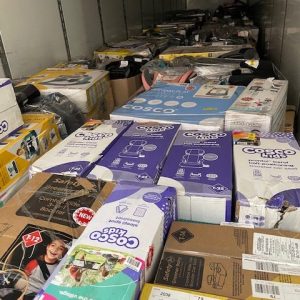
Instead of purchasing individual products at retail prices, buyers can purchase merchandise grouped into pallets or larger liquidation lots. Depending on the source, inventory may include overstock, customer returns, shelf pulls, closeouts, or other liquidation merchandise.
However, not every pallet is the same. Understanding product condition, quantity, sourcing information, shipping costs, and the terms of the sale is important before placing an order.
In this guide, we’ll explain how pallet liquidation works, what to look for when buying wholesale pallets, and how to choose a supplier that fits your business.
What Is Pallet Liquidation?
Pallet liquidation is the process of selling bulk merchandise that a retailer, distributor, manufacturer, or other business no longer wants to keep in its normal inventory channel.
The merchandise can come from different sources, including:
Overstock inventory, Customer returns, Shelf pulls
Closeout merchandise, Excess inventory
General merchandise, Shoes and sneakers
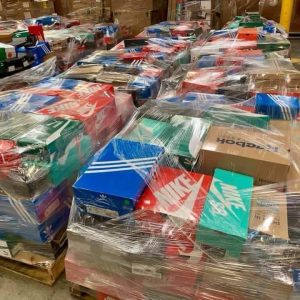
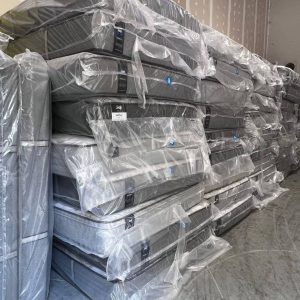
The merchandise is commonly grouped into pallets, boxes, truckloads, or other bulk lots.
The condition can vary significantly, so buyers should always read the product description and understand what is included before purchasing.
How Does Pallet Liquidation Work?
Step 1: A supplier obtains excess inventory
Retailers and distributors can end up with products they cannot sell through their normal retail channels.
Step 2: Merchandise is sorted into lots
Inventory may be grouped according to product type, condition, retailer, category, or available quantity.
Step 3: The inventory is offered to wholesale buyers
Liquidation suppliers can offer individual pallets, multiple pallets, partial truckloads, or full truckloads.
Step 4: The buyer evaluates the opportunity
Before buying, you should consider:
Product condition, Quantity, Estimated shipping, Manifest information, if provided, Total landed cost.
Step 5: The merchandise is shipped or collected
Depending on the supplier and order, inventory may be shipped by freight or made available for pickup.
Types of Liquidation Pallets
There are many different types of liquidation inventory.
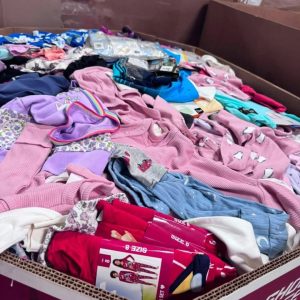
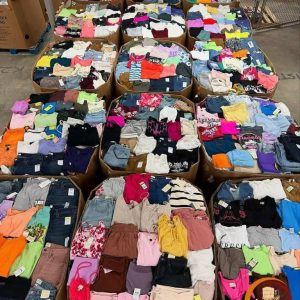
Clothing Liquidation Pallets
Clothing pallets can include men’s, women’s, and children’s apparel, T-shirts, jeans, jackets, and other fashion merchandise.
They can be suitable for:
Clothing stores, Online sellers, Flea-market vendors
Boutique businesses, Exporters, Sneaker and Shoe Pallets.
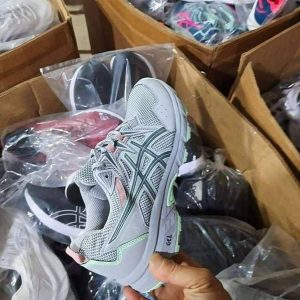
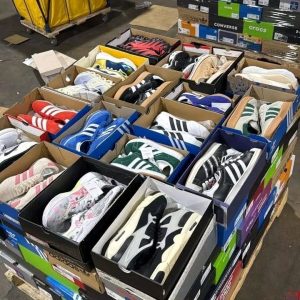
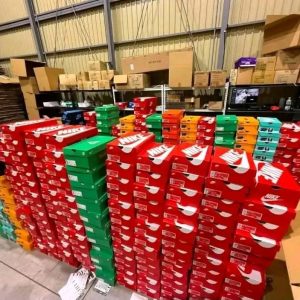
Sneaker liquidation pallet
Sneaker pallets can contain mixed or brand-specific footwear. For example, Wholesale Pallet Liquidators currently lists shoe and sneaker inventory, including Jordan, Nike and other footwear-related products.
General Merchandise
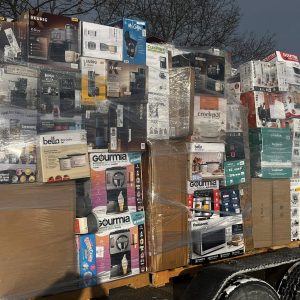
General merchandise pallets can contain a variety of products rather than one specific category.
This can be attractive to resellers who operate discount stores, online stores, flea-market businesses, or general merchandise shops.
What Are Liquidation Lots?
A liquidation lot is a group of products sold together as a bulk inventory opportunity.
A lot may contain:
One product type, Multiple brands, Multiple product categories, Customer returns, Overstock, Shelf pulls, New merchandise.
How to Evaluate a Liquidation Pallet
Before buying, verify these questions:
1. What is the condition?
Determine whether the inventory is:
New, Open box, Customer returns, Used, Tested, Untested
2. How many units are included?
Do not rely only on the word “pallet.” A pallet can contain very different quantities depending on the product.
3. What is the total cost?
Your real cost includes:
Product price + shipping + applicable fees = landed cost
4. Are actual photos available?
Photos can help you understand the type and quality of inventory being offered.
5. Is there a manifest?
A manifest can provide information about the expected inventory. However, buyers should still understand the supplier’s terms regarding manifests and inventory condition.
Is Pallet Liquidation Good for Resellers?
It can be, but the opportunity depends on the inventory, purchase price, condition, demand, shipping cost, and the buyer’s resale strategy.
Successful resellers typically focus on buying inventory that fits their existing customer base rather than purchasing simply because a pallet appears inexpensive.
For example, a sneaker reseller may prefer footwear pallets, while a discount store may prefer general merchandise.
Start Shopping Wholesale Liquidation Pallets
Wholesale Pallet Liquidators offers categories covering different types of bulk merchandise, including Amazon inventory, customer returns, electronics, general merchandise, shoes, clothing, and other liquidation categories.
Frequently Asked Questions
What is pallet liquidation?
Pallet liquidation is the sale of bulk merchandise that is being cleared from normal retail or distribution channels.
Are liquidation pallets new?
Liquidation inventory can be new, overstock, shelf pulls, customer returns, open-box, used, or untested depending on the specific lot.
Can beginners buy liquidation pallets?
Yes. Beginners should start with a manageable order and choose inventory they understand and can resell.
Are liquidation pallets profitable?
Yes Profit is guaranteed. Your results depend on purchase price, shipping, product demand, selling fees, and your resale prices.
What should I check before buying?
Check the inventory description, quantity, condition, photos, shipping costs, supplier policies, and total landed cost.
Looking for wholesale liquidation inventory?
Explore available pallets and bulk merchandise at Wholesale Pallet Liquidators Wholesale Pallet Liquidators and find inventory for your retail, online, flea-market, or resale business